

When one thinks of Kawasaki, the name often brings to mind a legacy of high-performance motorcycles and a commitment to speed and innovation. Among its most iconic models, the Kawasaki Z1 stands out as a pioneer, a motorcycle that changed the industry and cemented Kawasaki’s place in the motorcycling world.
Article Sponsored By: Parking Lot Striping Santa Clarita
Introduced in the early 1970s, the Z1 became a game-changer, not only for Kawasaki but for motorcycling enthusiasts worldwide. This article dives into the Z1’s history, its influence on design, and why it remains a revered model among collectors and riders alike.

The Birth of an Icon: Kawasaki Z1
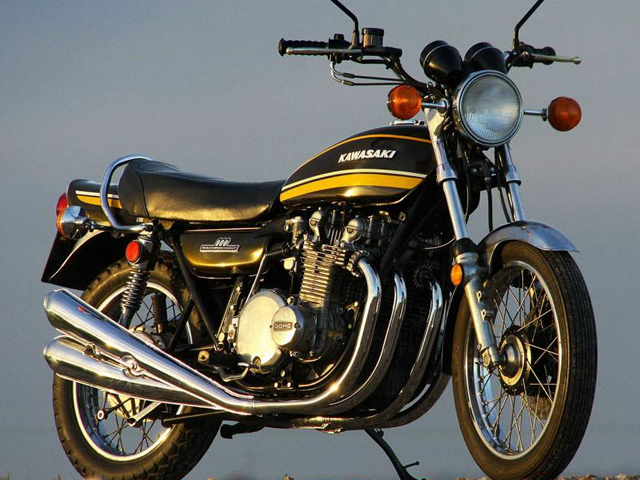
Kawasaki launched the Z1 in 1972, aiming to rival Honda’s CB750, which had set a new standard in the motorcycle industry. Kawasaki had spent years developing the Z1, and their hard work paid off, as the Z1 quickly outpaced its competitors and gained international acclaim. Known for its 903cc, air-cooled, inline-four engine, the Z1 boasted impressive power and durability, which made it a favorite among performance-minded riders.
The Z1 was Kawasaki’s first large-displacement, four-stroke motorcycle, marking a departure from the brand’s signature two-stroke engines. This shift highlighted Kawasaki’s ability to innovate and adapt, leading them to gain recognition as a serious competitor in the growing market of high-performance road bikes.
Setting a New Standard in Power and Performance
With a top speed of over 130 mph and the ability to go from 0 to 60 mph in just under five seconds, the Z1 was built for speed. The motorcycle’s power output was unprecedented at the time, with its 82 horsepower engine giving it a distinct edge over other models in its class. The Z1 was not only fast but also handled with an agility that made it popular for both city and highway riding.
For Kawasaki, the Z1 was more than just a fast machine; it was a symbol of the company’s engineering prowess. The powerful engine, combined with a robust steel frame, allowed the Z1 to excel in performance while remaining reliable and durable. Riders appreciated the bike’s stability, especially at high speeds, and the easy-to-maintain engine became a selling point for Kawasaki enthusiasts.
Influencing Motorcycle Design Worldwide
The Z1’s impact on the motorcycle industry was monumental. Its design became a benchmark for performance motorcycles and influenced other manufacturers to experiment with larger engines and stronger frames. Kawasaki had proven that a high-powered four-stroke engine could be both reliable and thrilling, and this innovation inspired future models across the industry.
Moreover, the Z1’s sleek design and classic lines made it one of the most visually appealing motorcycles of its time. With its distinctive tank, chrome accents, and double overhead camshaft engine, the Z1 set a new standard in motorcycle aesthetics. Kawasaki’s dedication to both performance and style was clear, and other brands followed suit, integrating similar elements into their own designs.
The Z1’s Continued Legacy in Modern Models
The Z1’s legacy lives on in Kawasaki’s modern lineup. Models such as the Z900RS pay homage to the Z1, blending classic styling with contemporary performance. The Z900RS, in particular, carries the spirit of the Z1, offering a retro look while integrating modern technology like electronic fuel injection and ABS brakes. This blending of old and new appeals to a wide range of riders, from nostalgic enthusiasts to newcomers seeking the best of both worlds.
Kawasaki continues to honor the Z1 by creating motorcycles that capture its essence: powerful, stylish, and performance-driven. The reimagining of the Z1 in today’s models reflects Kawasaki’s commitment to its roots while pushing forward with new technologies.
Why the Z1 Still Appeals to Collectors
For motorcycle collectors, the Z1 remains a highly sought-after model. Its status as one of the first “superbikes” adds to its value, with well-preserved models fetching high prices at auctions. Part of its allure is its rarity; only a limited number of Z1 motorcycles were produced, and finding an original in good condition is increasingly difficult. The Z1 represents a specific era of motorcycle history, and owning one is a way for collectors to connect with that heritage.
Another reason for its enduring popularity is the simplicity of its mechanics. Unlike today’s computerized motorcycles, the Z1’s engine can be maintained and serviced by hand, which appeals to those who enjoy working on their bikes. Kawasaki’s decision to build a durable, easy-to-service engine in the Z1 has contributed to its reputation as a collector’s item that is as enjoyable to ride as it is to display.
The Z1’s Place in Kawasaki’s Legacy
The Kawasaki Z1 remains one of the company’s most legendary motorcycles, a model that not only competed with Honda’s CB750 but also helped define what a performance bike should be. It paved the way for Kawasaki’s later success with models like the Ninja series and the H2R, each of which owes part of its DNA to the Z1’s groundbreaking design.
For Kawasaki fans, the Z1 is more than just a motorcycle; it’s a symbol of the brand’s legacy and a reminder of a time when motorcycle innovation was reaching new heights. The Z1’s influence on motorcycle design and performance is undeniable, and it stands as a testament to Kawasaki’s commitment to pushing the boundaries of what a motorcycle can be.
While Kawasaki has moved on to produce faster, more technologically advanced motorcycles, the Z1 holds a special place in the brand’s history. It was Kawasaki’s entry into the world of high-performance, four-stroke motorcycles, and it set a standard that has influenced generations of riders and designers. For anyone who appreciates motorcycle history, the Kawasaki Z1 is more than just a bike; it’s a legend that continues to inspire.
Thank you for visiting our blog and reading our articles. We hope you are finding some good information. If you have any comments or questions pleae contact us today. We also ask that you help us out by visiting our sponsor: Santa Clarita Parking Lot Striping.